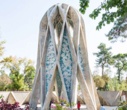
About Neysabur
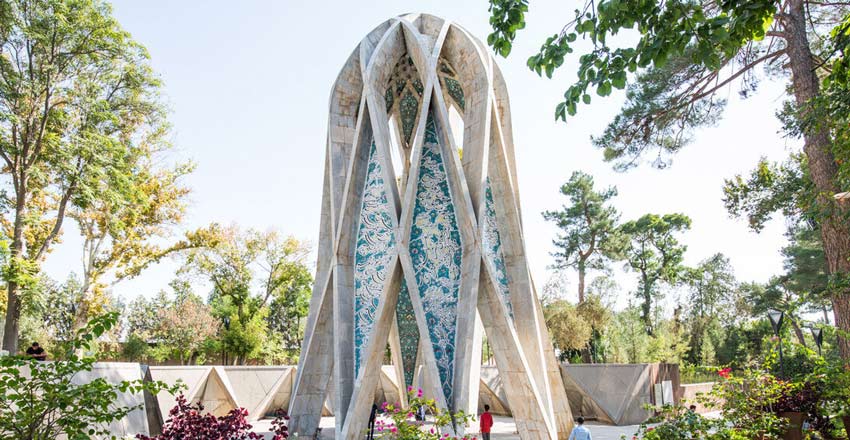
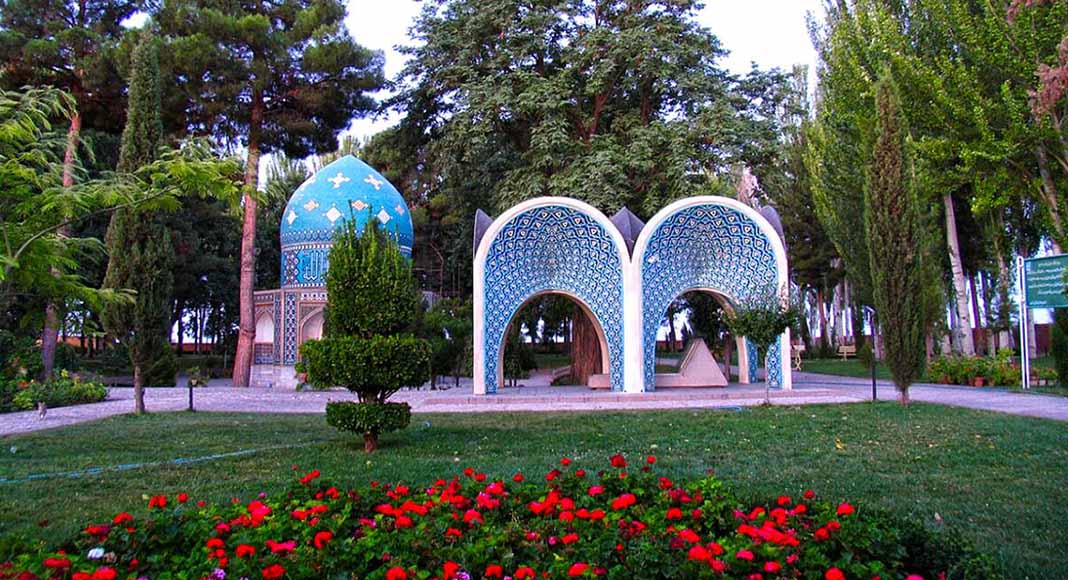
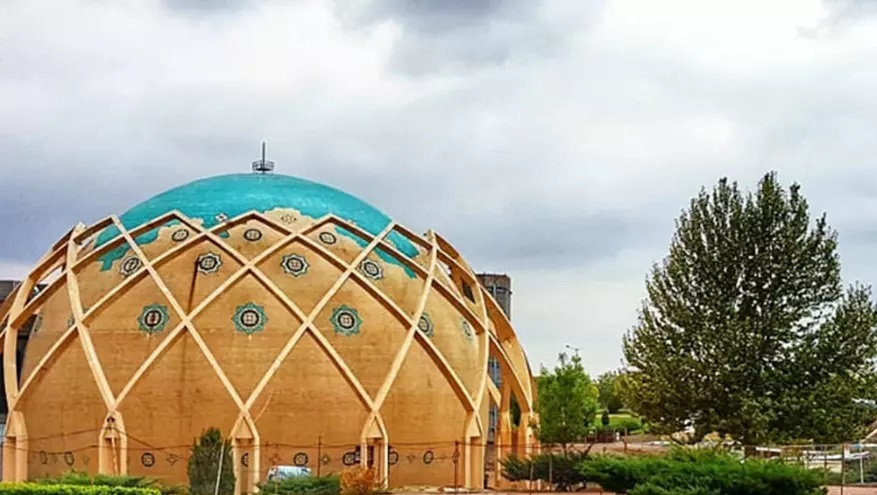
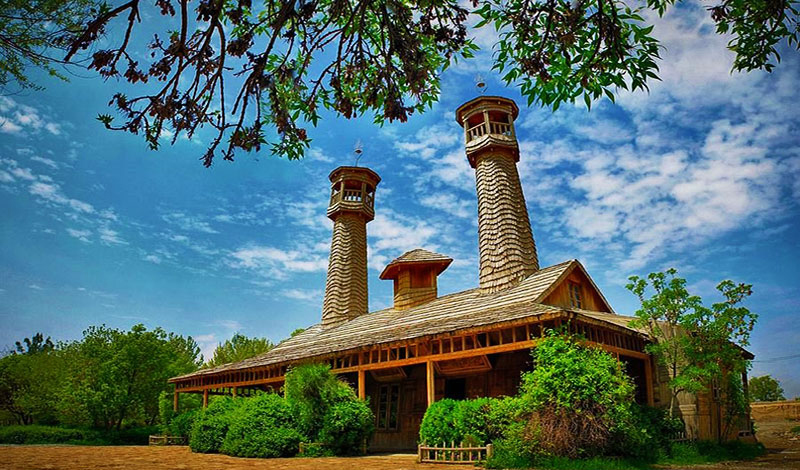
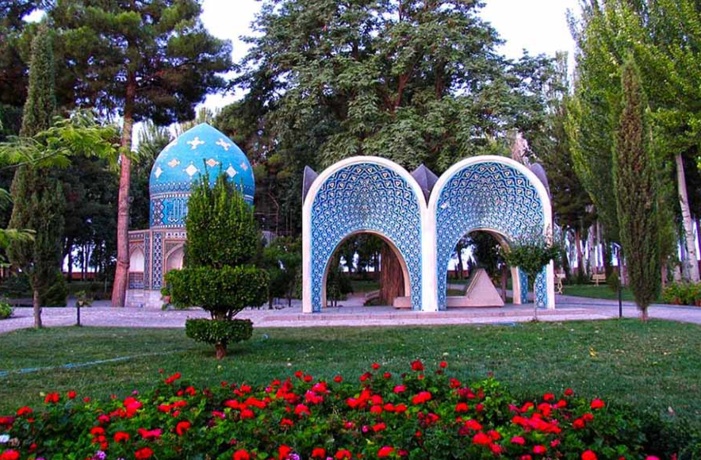
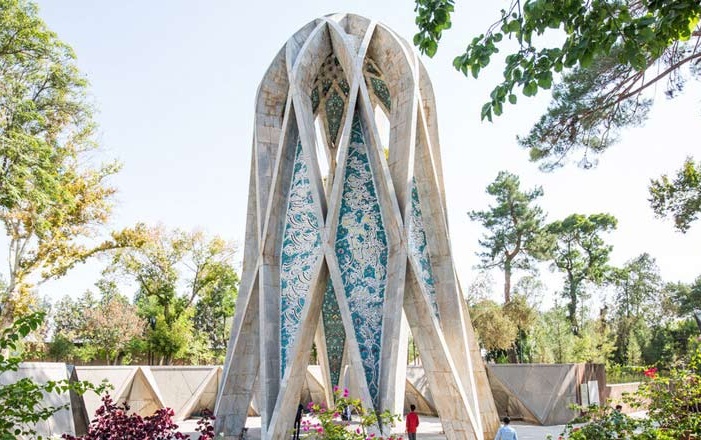
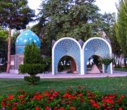
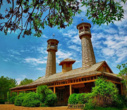
Neyshabur is one of the important cities in Khorasan Razavi Province in eastern part of Iran located in a wide, fertile plain at the southern foot of Binalood Mountain. The estimated population of Neyshabur reaches half a million due to its adjacency with suburban villages. Neyshabur has always been a significant symbol of history particularly in ancient Iran. Neyshabur, during its peak prosperity, used to be the capital of Iran. Currently, this city is considered as one of the important cultural, touristic, industrial, and historic centers of north eastern Iran. This city has been the home to internationally recognized scientists like Omar Khayyam and Attar.
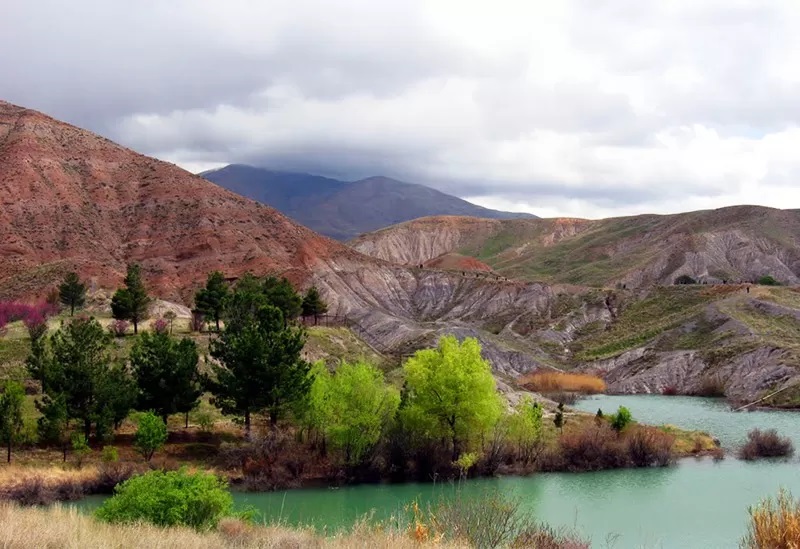
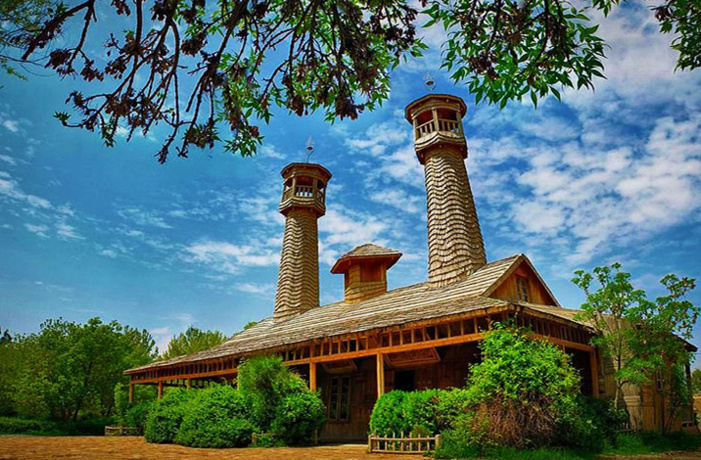
Because of having natural, historic, and touristic attractions this city attracts many national and international visitors. More specifically, visitors are impressed by the green nature of the suburban areas of Neyshabur. They can walk through densely tree populated areas and enjoy the nature, clean weather and pure water. Neyshabur is famous for its favorable weather conditions during the year. You will miss its fresh morning air once you feel it.
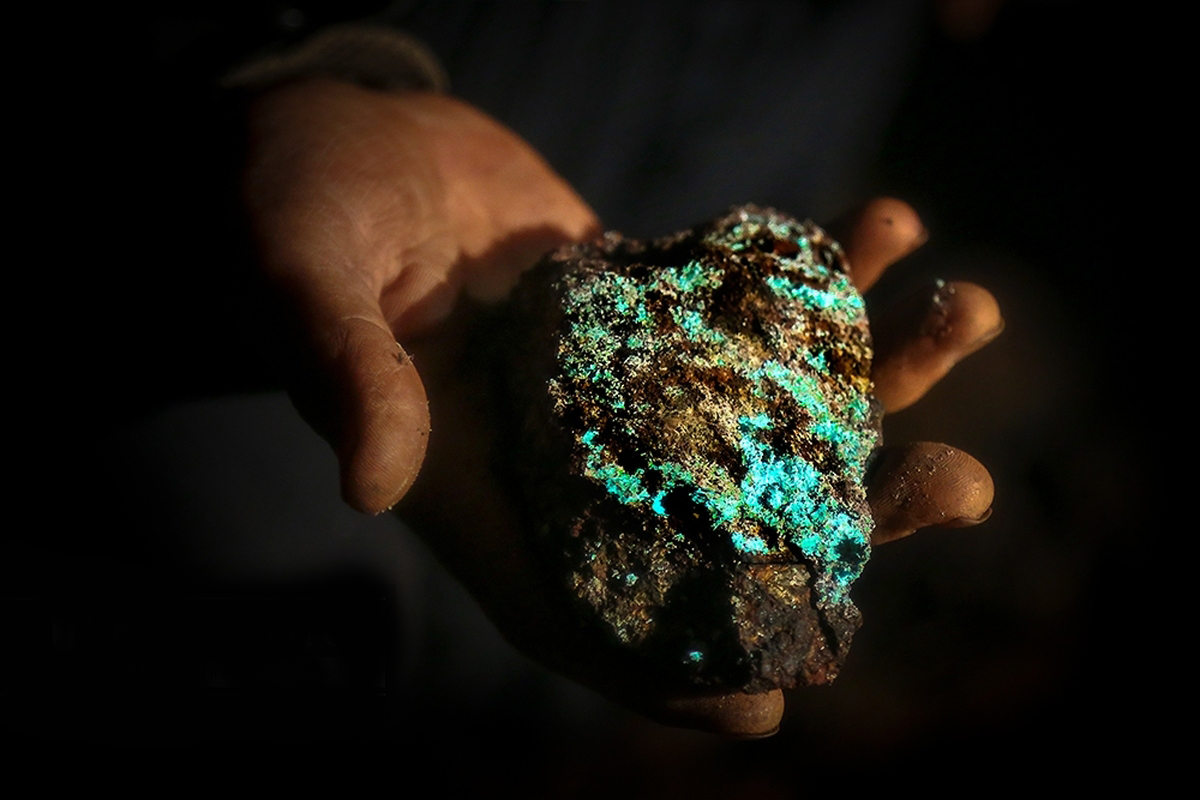
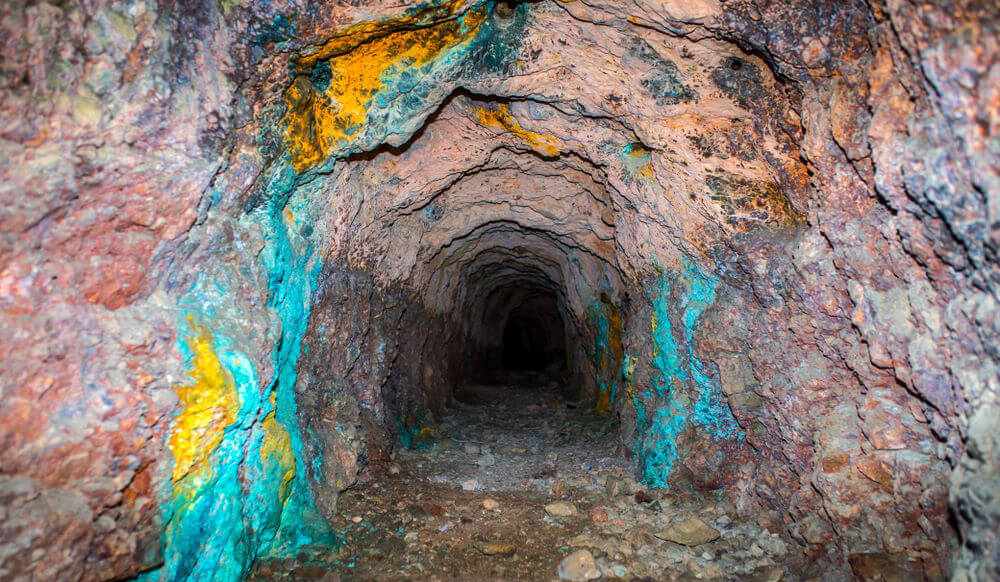
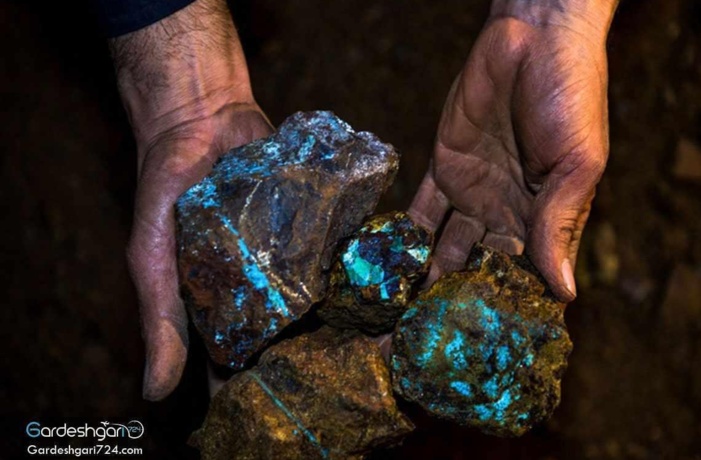
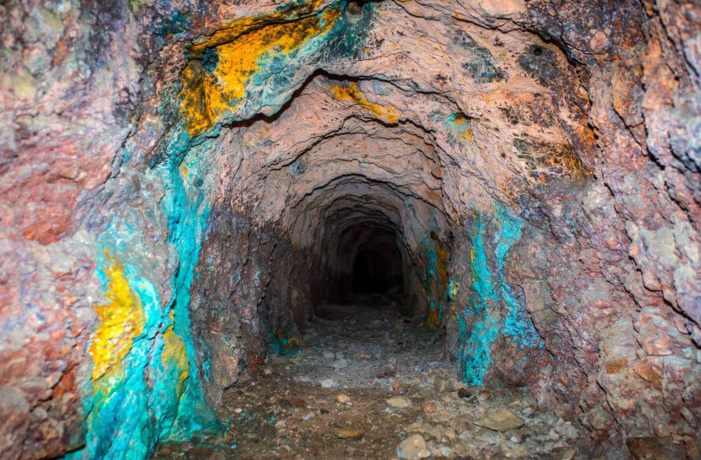
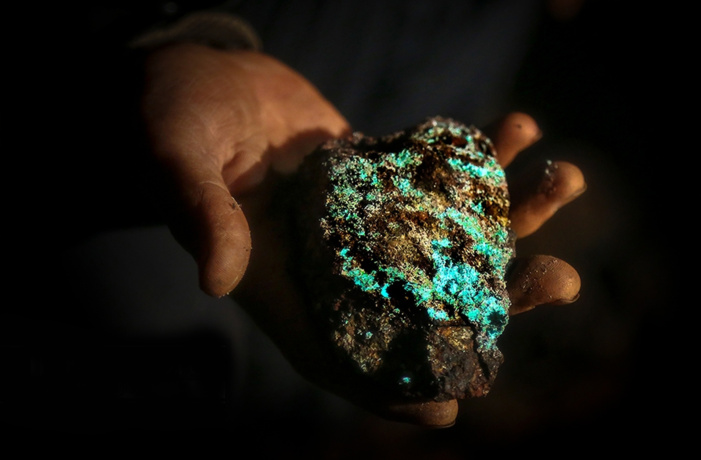
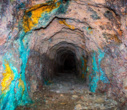
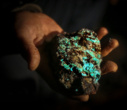
Neyshabur is famous for its turquoise mines. These blue and green shining stones are extracted from mines situated about 50 kilometers northwest of the city of Neyshabur.
Neyshabur’s turquoise is the finest in the world. For at least 2,000 years, Neyshabur has remained an important source of turquoise which was initially named by Iranians “pirouzeh” meaning “victory”.
Neyshabur during its prosperous days concerning book and library activities was in connection with many countries from China to Greece. In addition, Neyshabur had lots of academic and cultural connections with nearer cities such as Harat, Samarqand, Bokhara, Rey, and Baqdad.
With regards to the recent archeological excavations, Neyshabur has seven thousand years of history and civilization. The peak of the culture and civilization of this city goes back to the tenth to fifteenth century. During the bright days of Islamic government, Neyshabur’s pottery known as “Zarrin Faam” was internationally famous. Parts of the historical remains of Neyshabur are being kept in various museums in other countries and also in Ancient Iran museum in Tehran.
Neyshabur from the point of literacy has an ancient record. The first village school in Iran was established in Chakane village 89 years ago. In addition, the inhabitants of Dizbad (one of the suburban villages of Neyshabur), started education 40 years ago.
Regarding the existing documents Neyshabur is the first city of the Islamic world in establishing the first educational centers like schools for improving the literacy of people at that time. According to historians, more than forty schools were active in Neyshabur during the eleventh to fourteenth century.
Neyshabur was also famous for some active libraries such as Nezamieh, Khatoon Mahd Iraq, Jame Monie Sabooni which after Mongol invasion these libraries along with other places were destroyed. In addition, almost all books were exploited except for one book called “AL-Abane” or “Al-Sanaatein” written by Abu Halal Askari from Jame Moie library.
Neyshabur has an active committee known for ‘Simorgh’ (derived from one of Attar’s poems) for improving and expanding the culture of book reading. This committee is going to form almost 30 societies for motivating book reading in various environments and jobs until 2019. One of these active committees is the ‘Simorgh Society of Children and Teenagers’. This society has more than 70 big and influential plan for expanding book reading, tourism, family health, counseling, peace and security and also paying attention to deprived regions. Their project has been started since 2014.